
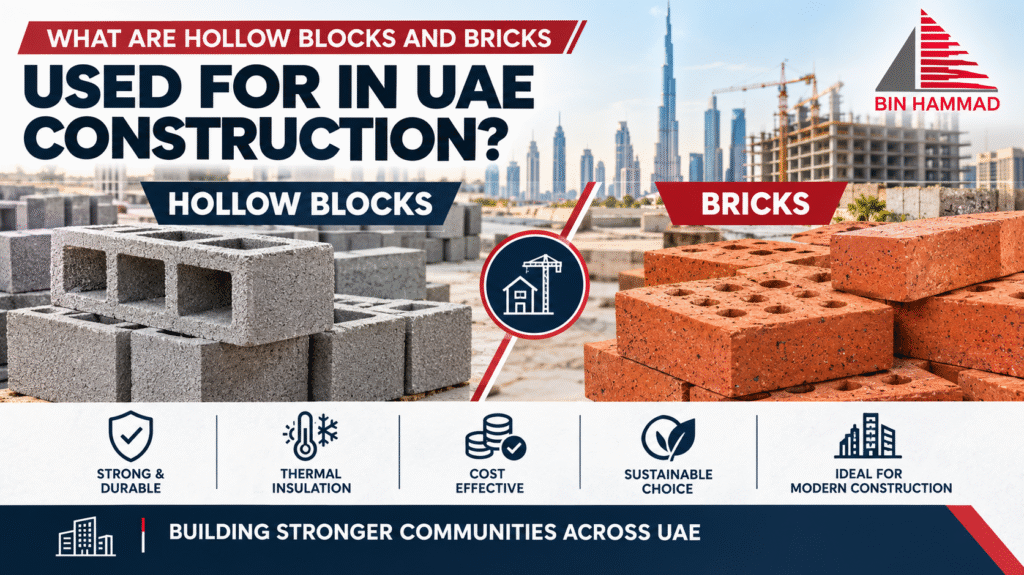
Construction projects in the UAE use different masonry materials depending on wall design, structural requirements, installation methods, and the intended application. Hollow blocks and bricks are among the commonly available building products, but their shape, weight, construction method, and practical uses can differ.
The choice between the two is not simply about size or appearance. Understanding hollow blocks vs bricks helps contractors, builders, and project planners identify the material that better matches the requirements of a particular wall, partition, foundation, pavement, or other construction application.
Bin Hammad Trading Enterprises supplies a range of building materials through its Bricks & Concrete Blocks category, including hollow blocks, common bricks, lightweight blocks, and interlocking bricks.
What Are Hollow Blocks?
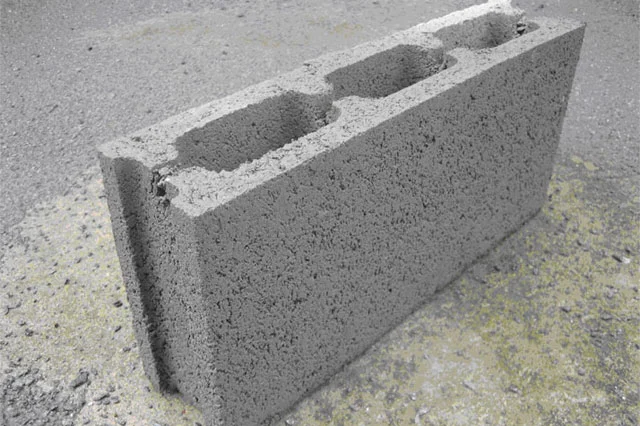
Hollow blocks are masonry units designed with internal hollow sections. The hollow structure reduces the amount of solid material in the unit while maintaining a practical form for construction applications.
The Hollow Block available from Bin Hammad is described as a durable and lightweight construction solution. Its product information highlights easier handling and transportation, use in residential and commercial construction, and applications including walls, foundations, and partitions. The product description also notes insulation, fire-resistance, moisture-resistance, and a smooth surface suitable for plaster or paint.
Common Uses of Hollow Blocks
Hollow blocks can be considered for construction work where their lightweight design and internal cavities suit the project requirements. Based on the product information available from Bin Hammad, potential applications include:
- Wall construction
- Partitioning spaces
- Foundation-related construction
- Residential building projects
- Commercial construction
- Projects where easier handling is useful
The appropriate use still depends on the project’s engineering requirements, block specification, and construction method.
What Are Bricks Used for in Construction?

Bricks are masonry units used for building walls and other construction elements. Different brick designs can provide different installation and functional characteristics.
Bin Hammad’s Common Brick 3Holes, for example, is described as a clay brick intended for construction and masonry applications. Its three-hole design reduces the overall weight, while its rough texture is described as supporting mortar adhesion. The product is listed for uses including walls, foundations, retaining walls, and other structural elements.
Bricks can therefore be suitable where a project requires a masonry unit with a particular shape, texture, or configuration.
Hollow Blocks vs Bricks: What Is the Difference?
The main differences between hollow blocks and bricks relate to their design, weight, handling, and intended construction application. However, the exact performance of any masonry unit depends on its specification and the requirements of the project.
| Feature | Hollow Blocks | Bricks |
| Basic design | Contains hollow sections | Available in different solid or perforated designs |
| Weight | Hollow construction can reduce unit weight | Depends on brick type and configuration |
| Handling | Designed to support easier handling and transportation | Handling depends on the specific brick |
| Typical applications | Walls, partitions, foundations and general construction applications | Walls, masonry, foundations and other specified applications |
| Installation | Depends on block size and construction method | Depends on brick size, design and masonry method |
| Surface finishing | Product surface may support plaster or paint application | Finish depends on brick type and intended appearance |
| Selection factor | Weight, design, project requirements and application | Brick configuration, strength requirements and application |
The table provides a general comparison. It should not be treated as a substitute for the technical specification of a particular product.
Types of Blocks and Bricks Available for Construction
Different masonry products can be selected according to the requirements of the project. Bin Hammad’s Bricks & Concrete Blocks category includes several options, allowing contractors and builders to compare different masonry formats.
Hollow Blocks
Hollow blocks have internal cavities and can provide a practical option for walls, partitions, foundations, and other construction applications. Bin Hammad’s Hollow Block is specifically presented as a lightweight construction product with a range of applications.
Lightweight Blocks
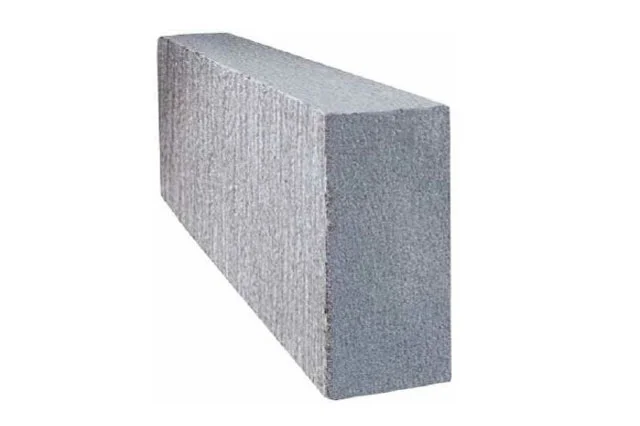
Lightweight blocks are designed to reduce the weight associated with handling masonry units while retaining the properties required for construction applications.
Bin Hammad’s Light Weight Block is described as offering a strength-to-weight ratio intended to make handling and transportation easier. Its product information lists walls, foundations, and partitions among its applications and states that it can be used in residential, commercial, and industrial projects.
Three-Hole Bricks
Three-hole bricks provide a perforated configuration rather than a completely solid unit. Bin Hammad’s Common Brick 3Holes is made from clay and is described for masonry and construction applications. The three-hole configuration is intended to reduce the overall weight while supporting insulation characteristics.
Interlocking Bricks
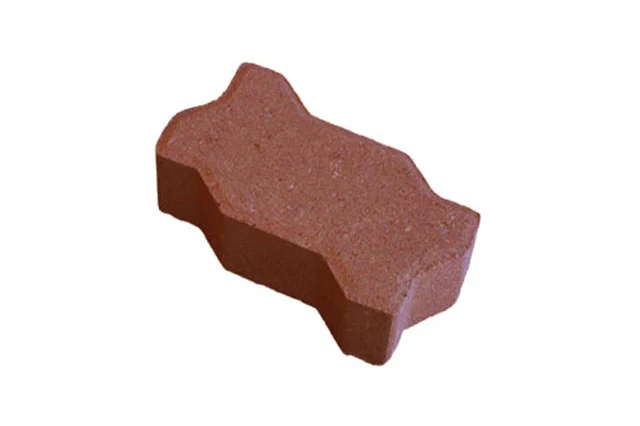
Interlocking bricks use a shaped design intended to fit together during installation.
Bin Hammad’s Interlocking Brick is described as suitable for residential and commercial applications, with uses including walls, pavements, and landscaping features. Its product information highlights precise dimensions, easier handling, and faster installation as characteristics of the product.
Where Are Hollow Blocks and Bricks Used in UAE Construction?
The suitable masonry material depends on what is being constructed and the specifications established for the project.
Walls and Partitions
Both blocks and bricks can be used for wall-related construction. Hollow blocks may be particularly practical when the project calls for a block format designed for easier handling, while bricks can be selected according to their specific configuration and masonry requirements.
For partition work, lightweight construction products can also be considered where the project’s design permits their use.
Foundations
Foundation applications require materials selected according to engineering and structural requirements. Bin Hammad’s Hollow Block and Common Brick 3Holes product information both identify foundations among their listed applications.
The correct product should always be selected according to the project’s approved design rather than based solely on the material name.
Residential Construction
Masonry units are used across residential construction for applications such as walls and partitions. The specific choice can depend on the building design, required dimensions, installation method, and other project specifications.
Commercial and Industrial Projects
Bin Hammad lists both hollow blocks and lightweight blocks for commercial applications, while its Interlocking Brick is also described for residential and commercial projects.
For larger projects, contractors should confirm the required product specification, quantity, dimensions, and intended application before ordering.
Pavements and Landscaping
Not every masonry product is intended for the same purpose. Interlocking bricks, for example, are specifically listed by Bin Hammad for pavements and landscaping features in addition to wall construction.
This makes product selection particularly important when the application moves beyond conventional wall construction.
How to Choose Between Hollow Blocks and Bricks
Selecting the appropriate masonry product starts with the project’s actual requirements rather than choosing solely based on appearance or price.
1. Identify the Application
First determine whether the material will be used for a wall, partition, foundation, pavement, landscaping feature, or another application. Product descriptions can help identify suitable uses, but the project specification should remain the primary reference.
2. Consider Weight and Handling
The weight of masonry units affects handling and transportation on a construction site. Hollow and lightweight blocks may be useful when easier movement of units is an important consideration.
Bin Hammad’s Hollow Block and Light Weight Block descriptions both emphasize handling and transportation advantages associated with their lighter construction.
3. Check the Block or Brick Design
Hollow blocks, three-hole bricks, lightweight blocks, and interlocking bricks have different configurations. The shape and design should match the installation method and requirements of the project.
4. Confirm the Required Specification
Before purchasing, check dimensions, weight, intended application, quantity, and any project-specific technical requirements. For structural applications, the approved engineering specification should take priority over general product descriptions.
5. Consider Finishing Requirements
The final wall finish can also influence the choice. Bin Hammad’s Hollow Block product information notes that its smooth finish allows plaster or paint to be applied.
If the masonry will remain visible, appearance and surface characteristics may become more important.
Building Products from Bin Hammad Trading Enterprises
Bin Hammad Trading Enterprises has been established since 2005 and supplies construction and building materials alongside power tools, hand tools, fasteners, construction equipment, hardware, welding products, safety gear, and other general consumables.
Its Bricks & Concrete Blocks range includes 21 listed products on the category page, with options such as hollow blocks, three-hole bricks, lightweight blocks, interlocking bricks, clay blocks, solid bricks, concrete bricks, and other masonry-related products.
For projects comparing different masonry formats, suitable products include:
- Hollow Block — a block designed for construction applications including walls, foundations, and partitions.
- Common Brick 3 Holes — a clay brick with a three-hole configuration for construction and masonry applications.
- Light Weight Block — a lightweight construction block listed for walls, foundations, and partitions.
- Interlocking Brick — an interlocking masonry product listed for walls, pavements, and landscaping features.
Practical Buying Checklist for UAE Construction Projects
Before placing an order, contractors and buyers can use the following checklist:
- Confirm the exact construction application.
- Check the required brick or block type.
- Verify dimensions and product specifications.
- Consider unit weight and site handling requirements.
- Confirm the required quantity for the project.
- Check whether the material will be plastered, painted, or left exposed.
- Match the product with the approved construction drawings and specifications.
- Ask the supplier about availability and current quotation requirements.
- Avoid selecting a masonry product solely because it is lighter, larger, or less expensive.
- For structural applications, follow the project’s engineering requirements.
Conclusion
Hollow blocks and bricks both have important roles in construction, but they are not interchangeable in every application. Hollow blocks provide a block-style solution with internal cavities, while different brick configurations can offer specific characteristics for masonry, walls, foundations, pavements, or landscaping.
The right choice in hollow blocks vs bricks depends on the project’s application, approved specifications, handling requirements, dimensions, finishing needs, and construction method. Bin Hammad Trading Enterprises provides several masonry options within its Bricks & Concrete Blocks range, giving UAE contractors and builders different products to consider for their construction requirements.
FAQs
Hollow blocks can be used for walls, partitions, foundations, and other construction applications. Bin Hammad’s Hollow Block is described as suitable for residential and commercial construction.
Common three-hole bricks can be used for construction and masonry applications. Bin Hammad lists its Common Brick 3Holes for walls, foundations, retaining walls, and other structural elements.
A hollow design can reduce the amount of material within a masonry unit, but the actual weight depends on the specific product, dimensions, and material. Individual product specifications should be checked before making a comparison.
Hollow blocks generally use a larger block format with internal cavities, while bricks are available in different configurations, including solid and perforated designs. Their suitability depends on the intended construction application and product specification.
Bin Hammad’s Light Weight Block is listed for partitions as well as walls and foundations. Its product information also highlights easier handling and transportation.
No. Bin Hammad’s Interlocking Brick is described for walls, pavements, and landscaping features, in addition to residential and commercial construction applications.
Contractors should begin with the approved project specification and intended application. Dimensions, weight, design, handling requirements, finishing method, and installation method should then be considered before ordering.
Yes. Bin Hammad’s Bricks & Concrete Blocks category includes multiple masonry products, including hollow blocks, common three-hole bricks, lightweight blocks, interlocking bricks, clay blocks, solid bricks, and concrete-related products.
Bin Hammad specifically describes its Hollow Block as suitable for both residential and commercial construction.
