
What safety gear is required on a construction site? Construction workers generally need task-appropriate personal protective equipment (PPE), including safety helmets, eye protection, safety footwear, gloves, high-visibility clothing, hearing protection, respiratory protection, and fall-protection equipment where required by the hazards. PPE should be selected through a workplace risk assessment and according to applicable UAE requirements. Bin Hammad Trading Enterprises supplies a wide range of safety and industrial products for construction and other professional applications across the UAE.
Construction sites involve multiple hazards at the same time. Workers may deal with falling objects, moving machinery, sharp materials, dust, noise, electrical risks, chemicals, welding sparks, and work at height. Therefore, selecting the right safety gear for construction is not simply about buying standard PPE for every worker.
The equipment should match the task, hazard, working environment, fit, comfort, and applicable standards. This guide explains the essential PPE used on construction sites, how to choose it, UAE requirements, inspection practices, common mistakes, and how Bin Hammad can support construction and industrial procurement.
What Is Safety Gear for Construction?
Safety gear for construction includes personal protective equipment and other protective products designed to reduce workers’ exposure to workplace hazards.
Personal protective equipment can include:
- Safety helmets
- Safety goggles and glasses
- Safety gloves
- Safety shoes and boots
- High-visibility vests
- Earplugs and earmuffs
- Respirators
- Protective clothing
- Full-body harnesses
- Fall-protection equipment
The exact PPE required depends on the risks present at the workplace. Abu Dhabi Public Health Centre states that PPE selection should be based on the specific risk factors present in the workplace, while its PPE guidance covers protection against chemical, physical, electrical, mechanical, and other hazards.
Why Is Safety Gear Important on Construction Sites?
Construction workers can encounter different hazards during a single shift. Appropriate PPE reduces exposure and supports a broader workplace safety program.
Protection From Falling Objects
Workers below scaffolding, lifting operations, or construction activities may face the risk of falling tools, materials, or debris. A suitable safety helmet helps reduce the severity of head injuries.
Protection From Flying Particles
Cutting, drilling, grinding, and demolition can produce dust and flying particles. Safety goggles or other suitable eye protection can help protect workers’ eyes.
Protection From Hand Injuries
Workers regularly handle steel, concrete products, tools, glass, timber, and other materials. Suitable gloves can reduce exposure to cuts, abrasion, impact, and other task-specific hazards.
Protection From Foot Injuries
Construction sites can contain sharp objects, heavy materials, uneven surfaces, and slippery areas. Suitable safety footwear can provide protection against several of these hazards.
Protection From Noise
Power tools, compressors, generators, cutting equipment, and heavy machinery can create high noise levels. Hearing protection should be selected according to the actual noise exposure.
Protection Against Falls
Workers performing tasks at height may require a complete fall-protection system, including a suitable full-body harness, compatible connectors, and an appropriate anchorage system.
Essential Safety Gear for Construction Workers
Different jobs require different PPE. The following categories cover the most common equipment used on construction sites.
Safety Helmets
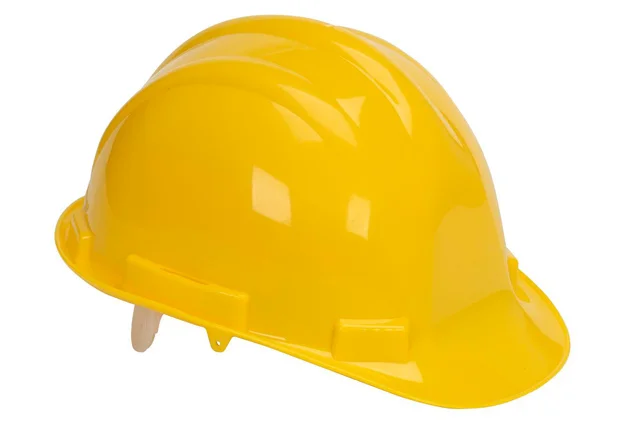
A safety helmet protects the head from hazards such as falling objects, impact, and certain site-related risks.
Workers should select helmets based on:
- Applicable standards
- Proper size and fit
- Adjustable suspension
- Chin-strap requirements where applicable
- Compatibility with other PPE
- Condition of the shell and suspension
A helmet should be inspected regularly for cracks, deformation, excessive wear, and other damage.
For construction teams looking for suitable head protection, Yellow Safety Helmet is one of the safety products available from Bin Hammad.
Helmet colour can also have a site-specific identification purpose. However, colour coding should follow the individual project’s established safety system rather than assuming one universal colour code applies to every UAE site.
Safety Goggles and Eye Protection
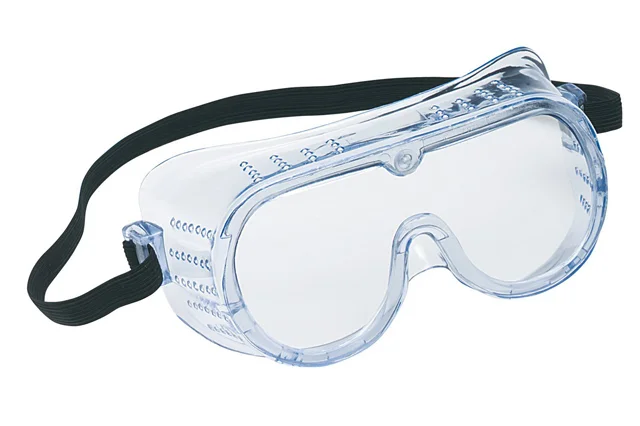
Eye injuries can occur during grinding, drilling, cutting, welding, chemical handling, demolition, and material handling.
Depending on the hazard, workers may need:
- Safety glasses
- Sealed goggles
- Face shields
- Welding protection
- Chemical splash protection
For example, a worker grinding metal may require different eye and face protection from someone performing general material handling.
The correct Safety Goggles should therefore be selected according to the task and hazard rather than simply choosing the cheapest available option.
Safety Gloves
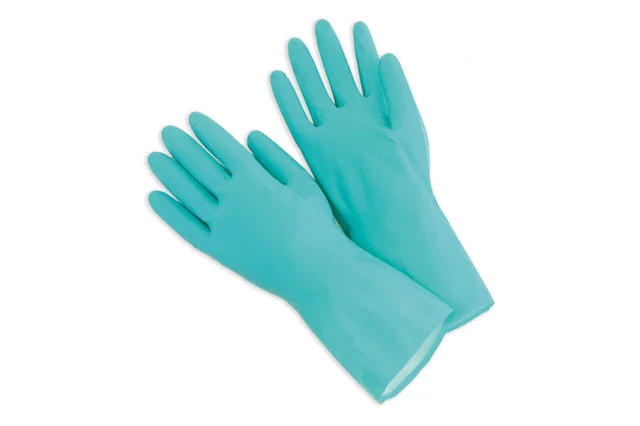
Hands are exposed to many construction hazards, including sharp edges, rough surfaces, heat, chemicals, impact, and abrasion.
Common glove categories include:
- General-purpose work gloves
- Cut-resistant gloves
- Grip gloves
- Chemical-resistant gloves
- Heat-resistant gloves
- Welding gloves
Safety glove designed for general material handling should not automatically be used for welding or chemical handling. Check the product specifications and applicable protection level before selecting gloves.
Bin Hammad also provides safety and industrial glove solutions for different professional applications.
Safety Shoes and Boots
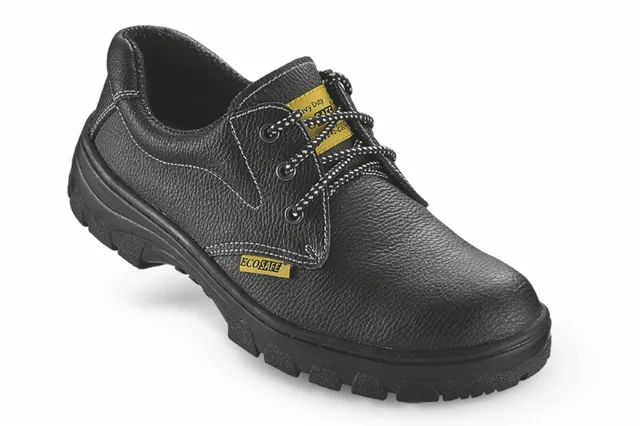
Foot protection is essential where workers face falling objects, sharp materials, slips, punctures, or other site hazards.
When choosing Safety Shoes, consider:
- Toe protection
- Sole construction
- Slip resistance
- Puncture resistance
- Comfort
- Fit
- Working environment
For outdoor construction work in the UAE, comfort and suitability for hot conditions are also important considerations.
High-Visibility Vests
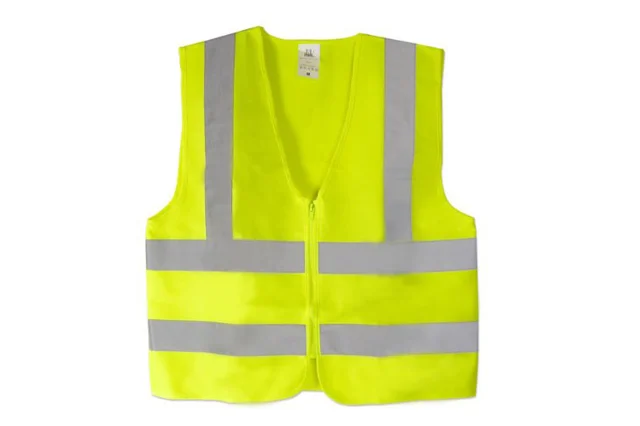
High-visibility clothing helps workers remain visible around vehicles, mobile equipment, cranes, and active work zones.
A Safety Vest Jacket can be particularly useful in areas where workers need to be easily identified by operators and other site personnel.
High-visibility clothing should be selected according to the site’s risk assessment, traffic conditions, visibility requirements, and applicable standard.
Hearing Protection
Construction equipment can expose workers to significant noise. Common sources include:
- Concrete breakers
- Drills
- Grinders
- Compressors
- Generators
- Cutting machines
- Heavy construction equipment
Hearing protection may include earplugs or earmuffs. The correct choice depends on the noise level, exposure duration, communication requirements, and workplace assessment.
Respiratory Protection
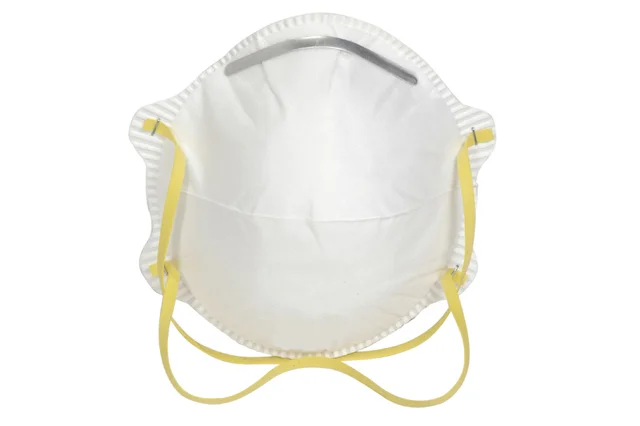
Dust and airborne contaminants are common on construction sites, especially during cutting, drilling, demolition, sanding, and material handling.
Respiratory protection may be required for exposure to:
- Construction dust
- Fine particles
- Certain fumes
- Vapours
- Other airborne contaminants
Respirators must be selected for the specific contaminant and exposure. A basic dust mask should not automatically be treated as suitable protection against every airborne hazard.
Fall Protection Equipment
Working at height creates one of the most serious construction risks. Depending on the task and site controls, workers may require:
- Full-body harnesses
- Energy-absorbing lanyards
- Lifelines
- Anchorage systems
- Guardrails
- Safety nets
- Other fall-protection systems
A Safety Harness should be selected as part of a complete fall-protection system rather than treated as a standalone solution.
Workers must receive appropriate training and understand how to inspect, wear, connect, and use the equipment correctly.
Construction PPE Checklist
Use this checklist as a starting point when reviewing PPE requirements:
| PPE | Main Protection | Common Construction Applications |
| Safety Helmet | Head protection | General construction |
| Safety Goggles | Eye protection | Cutting, drilling, grinding |
| Safety Gloves | Hand protection | Material handling |
| Safety Shoes | Foot protection | General site work |
| High-Visibility Vest | Visibility | Roads and active sites |
| Ear Protection | Hearing protection | Heavy machinery |
| Respiratory Protection | Airborne hazards | Dust-producing work |
| Full-Body Harness | Fall protection | Work at height |
This is a general guide, not a universal PPE requirement for every task. The actual selection should follow the project’s risk assessment and applicable requirements.
How to Choose the Right Safety Gear for Construction
Buying PPE should begin with the hazard, not the product catalogue.
Start With a Risk Assessment
Identify what can harm workers before selecting PPE. Consider the type of work, equipment, materials, environment, exposure duration, and potential consequences.
The official Abu Dhabi PPE guidance specifically states that PPE selection should be based on workplace-specific risks.
Match PPE to the Job
Different workers need different protection.
For example:
- Welders need specialized eye, face, hand, and protective clothing.
- Grinders need suitable eye and face protection.
- Workers at height need appropriate fall protection.
- Material handlers need task-appropriate gloves and footwear.
- Workers exposed to excessive noise need suitable hearing protection.
Check Fit and Comfort
Poorly fitting PPE can discourage workers from using it correctly.
Check:
- Size
- Adjustability
- Mobility
- Weight
- Ventilation
- Compatibility with other PPE
Comfort becomes particularly important during long shifts and hot weather.
Verify Product Specifications
Before purchasing, check:
- Intended application
- Applicable standards
- Protection level
- Manufacturer information
- Size availability
- Inspection requirements
- Replacement guidance
Avoid assuming that every product in a particular category provides the same level of protection.
Check PPE Compatibility
PPE must work together.
For example, a helmet, hearing protection, face shield, goggles, and respirator may all be needed at the same time. Equipment should not interfere with another item or create additional hazards.
UAE PPE Standards and Safety Requirements
UAE construction companies should take local workplace safety requirements seriously.
The Abu Dhabi Public Health Centre’s Code of Practice 2.0 – Personal Protective Equipment, Version 4.0, effective July 15, 2024, is listed among its mandatory occupational safety and health codes.
The official PPE guidance states that a comprehensive PPE program requires participation from management, supervisors, and workers, and that selection should be based on workplace-specific risks.
The Abu Dhabi PPE Code of Practice also states that employers must ensure PPE is hygienic and provided for personal use, and that PPE should meet applicable UAE and recognized international requirements.
Dubai Municipality also provides technical guidance covering the selection, use, training, care, maintenance, and replacement of protective clothing for commercial, industrial, and construction-related sites in Dubai.
Therefore, contractors should not rely on a generic online PPE checklist alone. Requirements can vary according to the emirate, project, employer procedures, work activity, and identified hazards.
PPE Standards to Know
Depending on the product and application, construction PPE may be manufactured and tested against recognized standards.
Examples include:
| PPE | Example Standard |
| Safety Helmets | EN 397 |
| Eye Protection | EN 166 |
| Safety Footwear | EN ISO 20345 |
| Protective Gloves | EN 388 |
| High-Visibility Clothing | EN ISO 20471 |
| Respiratory Protection | EN 149 |
| Full-Body Harnesses | EN 361 |
These are examples of relevant product standards, not a universal checklist for every construction activity. Buyers should verify the exact standard applicable to the product, hazard, and project requirements.
How UAE Weather Affects PPE Selection
The UAE’s working environment creates additional considerations when selecting safety gear.
Extreme Heat
Workers may wear PPE for long periods in high temperatures. Heavy or poorly ventilated equipment can increase discomfort and reduce compliance.
Humidity
Humidity can affect comfort and may contribute to moisture accumulation inside footwear, gloves, and clothing.
Dust and Sand
Outdoor construction sites can experience dust and sand exposure. Eye and respiratory protection should be selected according to the specific hazard.
UV Exposure
Long-term outdoor work exposes workers and equipment to strong sunlight. PPE should be maintained and replaced according to manufacturer instructions and site procedures.
Comfort Matters
If PPE is uncomfortable, workers may adjust, remove, or incorrectly wear it. Therefore, protection, fit, ventilation, and usability should all be considered during procurement.
PPE Inspection, Cleaning and Replacement
Buying good PPE is only the beginning. Equipment must remain in suitable condition throughout its service life.
Inspect Before Use
Workers should check PPE for visible damage, excessive wear, cracks, tears, broken components, or other defects before use.
Keep Equipment Clean
Follow manufacturer instructions for cleaning. Some PPE requires specific cleaning procedures and should not be treated with unsuitable chemicals.
Store Correctly
Store equipment in a clean, dry location away from damaging chemicals, excessive heat, and unnecessary sunlight exposure.
Replace Damaged PPE
Damaged PPE should not continue to be used simply because it looks economical to keep it. Follow manufacturer instructions and workplace procedures for replacement.
Maintain Records Where Required
For higher-risk equipment such as fall-protection systems, inspection and maintenance records can help organizations manage equipment condition and accountability.
Common PPE Mistakes on Construction Sites
Choosing PPE Only by Price
The cheapest product may not provide the required protection, comfort, or durability.
Using One Product for Every Task
Different hazards require different protection. A general-purpose glove, for example, cannot automatically replace specialized welding or chemical protection.
Ignoring Fit
Incorrectly sized PPE can reduce protection and make workers less likely to use it correctly.
Failing to Inspect Equipment
PPE can deteriorate through regular use, impact, heat, chemicals, sunlight, or improper storage.
Treating PPE as the Only Safety Control
PPE should form part of a broader safety system. Employers should first identify and control hazards using appropriate measures before relying on PPE.
Ignoring Training
Workers need to understand why PPE is required, how to wear it, how to inspect it, and when to report or replace damaged equipment.
Safety Gear for Different Construction Jobs
The right PPE varies by task.
General Construction Workers
Typical requirements may include safety helmets, safety footwear, high-visibility clothing, gloves, and eye protection, with additional PPE based on the site’s risk assessment.
Welders
Welders may require specialized welding helmets or eye protection, welding gloves, protective clothing, and suitable respiratory protection depending on the work.
Grinding and Cutting Workers
These tasks can produce flying particles, dust, sparks, and noise. Eye/face, hearing, respiratory, hand, and other protection should be selected according to the hazards.
Workers at Height
Workers performing elevated tasks may require a properly selected fall-protection system, including a full-body harness and compatible connection and anchorage equipment.
Road and Traffic Workers
High-visibility clothing becomes particularly important around moving vehicles and machinery.
Why Choose Bin Hammad Trading Enterprises?
Bin Hammad Trading Enterprises supplies safety products, construction materials, tools, hardware, and industrial solutions for professional customers across the UAE. Its safety product range supports the requirements of contractors, construction companies, workshops, maintenance teams, warehouses, and other businesses.
The advantage of working with a broad industrial supplier is that businesses can source multiple project requirements through one procurement channel.
Bin Hammad’s safety-related product range includes solutions such as:
- Safety helmets
- Safety goggles
- Safety gloves
- Safety shoes
- Safety jackets and vests
- Safety harnesses
- Industrial safety products
- Construction equipment
- Tools and hardware
The company also provides broader construction and industrial products, making it easier for procurement teams to coordinate safety and site requirements.
When selecting safety gear for construction, the priority should always be suitability, protection, quality, fit, and compliance. Bin Hammad can support businesses in finding appropriate products for their project and workplace requirements.
Conclusion
The right safety gear for construction helps reduce workers’ exposure to hazards and supports a safer, more organized workplace. However, PPE should always be selected according to the actual risk rather than treated as a one-size-fits-all solution.
Construction teams should consider safety helmets, eye protection, gloves, footwear, high-visibility clothing, hearing protection, respiratory protection, and fall-protection equipment according to the work being performed.
For UAE projects, contractors should also consider applicable local requirements, recognized product standards, worker training, PPE inspection, maintenance, and replacement procedures. Official UAE guidance emphasizes risk-based PPE selection and comprehensive PPE programs involving management, supervisors, and workers.
For reliable sourcing, Bin Hammad Trading Enterprises offers a broad range of safety and industrial products for construction and professional applications across the UAE.
FAQs
Q1. What safety gear is required on a construction site?
Ans. Common PPE includes safety helmets, safety footwear, high-visibility clothing, gloves, eye protection, and task-specific equipment such as hearing, respiratory, and fall protection. Exact requirements depend on the site’s hazards and applicable regulations.
Q2. What PPE is mandatory in the UAE?
Ans. PPE requirements depend on the emirate, project, work activity, and identified hazards. UAE authorities provide requirements and guidance for workplace PPE, so employers should conduct appropriate risk assessments and follow applicable local requirements.
Q3. What are the main types of construction PPE?
Ans. The main categories include head, eye and face, hand, foot, hearing, respiratory, high-visibility, and fall protection. Additional PPE may be required for welding, chemicals, electrical work, or other specialized tasks.
Q4. How do I choose the right safety gear for construction?
Ans. Start by identifying the workplace hazards and then select PPE that provides appropriate protection for the specific task. Also check fit, comfort, compatibility, product specifications, applicable standards, and replacement requirements.
Q5. How often should construction PPE be inspected?
Ans. Workers should inspect PPE before use and follow the manufacturer’s inspection and replacement instructions. Higher-risk equipment, such as fall-protection systems, should also follow documented inspection procedures.
Q6. When should a safety helmet be replaced?
Ans. Replace a helmet when it is damaged, cracked, significantly worn, or otherwise no longer suitable for use. Follow the manufacturer’s instructions for service life and replacement.
Q7. What PPE is required for working at height?
Ans. Working at height may require a complete fall-protection system, which can include a full-body harness, suitable connectors, anchorage, and other controls based on the risk assessment. Proper training is essential.
Q8. What PPE is needed for construction dust?
Ans. Depending on the type and concentration of airborne contaminants, workers may require suitable respiratory protection along with eye protection and other controls. The correct respirator should be selected according to the specific exposure.
Q9. Why is PPE important in UAE construction?
Ans. PPE helps reduce exposure to workplace hazards and supports safer construction operations. UAE workplace guidance emphasizes risk-based PPE selection and comprehensive safety programs.
Q10. Where can I buy safety gear for construction in the UAE?
Ans. Construction companies and procurement teams can source safety products from established UAE industrial suppliers such as Bin Hammad Trading Enterprises, which offers a range of PPE, construction products, tools, and industrial supplies.
