
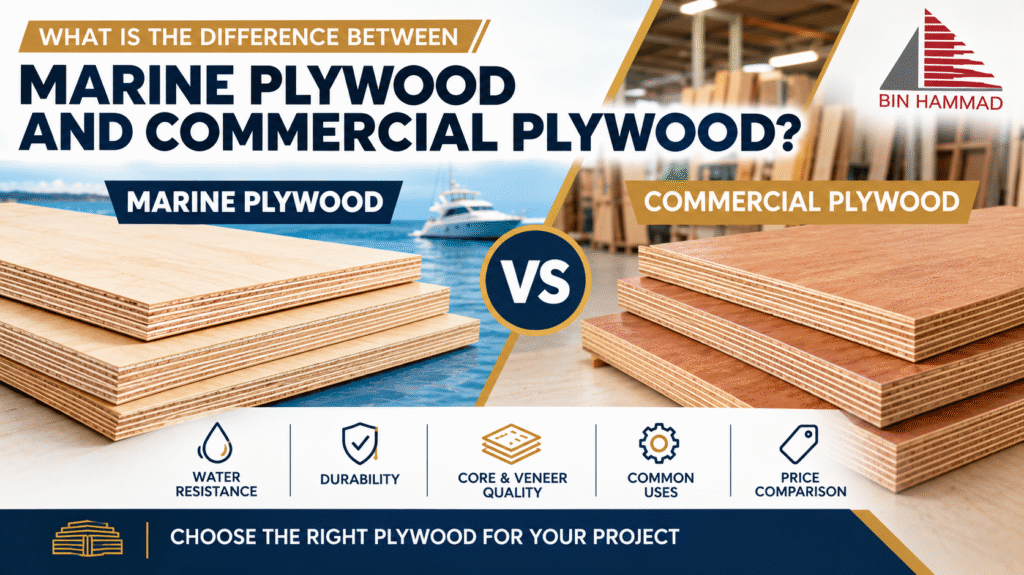
Marine plywood vs commercial plywood is an important comparison for construction, furniture, interior, and woodworking projects where moisture exposure, durability, surface quality, and intended use all need to be considered. Although both are plywood products made from layers of wood veneer, they are designed for different levels of environmental exposure and project requirements.
In the UAE, plywood may be used for furniture, cabinetry, interior fit-outs, construction work, formwork, and other applications. The appropriate type depends on where the sheet will be installed and the conditions it will experience. Bin Hammad Trading Enterprises offers a Timbers & Plywoods range that includes MR Moisture Resistance, WBP Weather Boil Proof, and OSF One Side Tego Film plywood.
This guide explains the differences between marine and commercial plywood, how moisture resistance affects selection, where each type may be suitable, and what UAE buyers should check before purchasing plywood.
What Is Marine Plywood?
Marine plywood is a plywood category intended for applications where moisture exposure is an important consideration. Its construction and bonding are designed for demanding environments, but the exact level of moisture resistance depends on the product specification.
Marine plywood is commonly associated with applications where ordinary interior plywood may not be suitable because of repeated exposure to humidity or moisture.
It is important to note that the term marine plywood should not automatically be interpreted as meaning permanently waterproof. Buyers should check the manufacturer’s specifications, adhesive type, veneer quality, core construction, and intended application before using a particular sheet in a wet environment.
Main Characteristics of Marine Plywood
Depending on the product specification, marine plywood may offer:
- Improved resistance to moisture
- Stronger bonding between veneer layers
- Reduced risk of core gaps in appropriately manufactured products
- Greater suitability for demanding environments
- A construction intended for applications where moisture exposure is a concern
The exact performance varies between products, so technical specifications remain important when selecting marine-grade plywood.
What Is Commercial Plywood?
Commercial plywood generally refers to plywood intended for general-purpose applications, particularly interior and furniture-related work where severe moisture exposure is not the primary requirement.
It may be used for applications such as:
- Furniture
- Cabinets
- Shelving
- Interior partitions
- Wall panels
- General woodworking
- Indoor construction applications
Commercial plywood can be a practical option where the environment is relatively dry and the project’s requirements do not call for a higher moisture-resistant plywood specification.
The exact quality and performance of commercial plywood can vary according to its grade, core construction, adhesive, thickness, and manufacturer.
Marine Plywood vs Commercial Plywood: Key Differences
The main difference between the two is the level of environmental exposure they are intended to handle.
| Feature | Marine Plywood | Commercial Plywood |
| Primary purpose | Applications where moisture resistance is important | General-purpose and interior applications |
| Moisture exposure | Designed for more demanding moisture conditions, depending on specification | Generally more suitable for dry or controlled indoor conditions |
| Bonding | Typically uses bonding designed for demanding moisture conditions | Bonding varies according to grade and product |
| Typical applications | Moisture-prone areas, marine-related work, demanding outdoor applications | Furniture, cabinets, partitions, shelving, interiors |
| Cost consideration | May cost more because of its construction and intended performance | Often selected for general applications where higher moisture resistance is unnecessary |
| Selection priority | Moisture exposure and product specification | Application, grade, finish, thickness, and budget |
| Best suited to | Projects requiring a plywood specification appropriate for moisture exposure | Projects where general-purpose interior plywood is sufficient |
The table provides a general material comparison. Actual performance should always be confirmed from the product’s technical specifications.
Marine Plywood vs Commercial Plywood for UAE Conditions
UAE projects can involve high temperatures, humidity, air-conditioning changes, and varying levels of outdoor exposure. However, not every project requires marine plywood.
The important consideration is the environment in which the plywood will be used.
Indoor Furniture and Cabinetry
Commercial plywood can be suitable for furniture and cabinetry when the project is primarily indoors and the selected product meets the required quality and thickness specifications.
Applications can include:
- Wardrobes
- Cabinets
- Shelves
- Tables
- Storage units
- Office furniture
- Interior partitions
For these applications, surface quality, thickness, grade, and finish may be more important than selecting a plywood designed for demanding moisture exposure.
Kitchens and Humid Areas
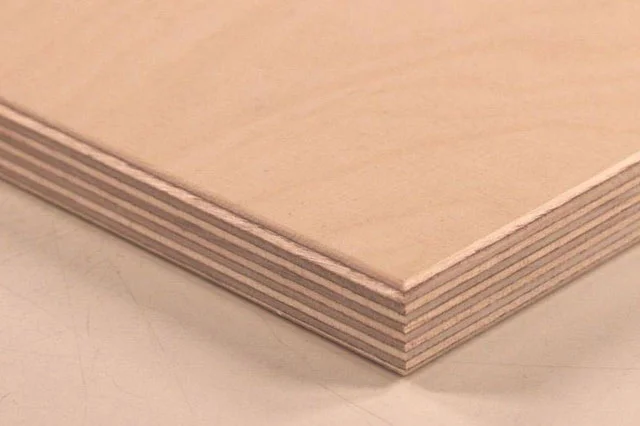
Kitchen environments may experience moisture and humidity that ordinary dry interior applications do not.
The plywood specification should therefore be selected according to the expected exposure. A moisture-resistant plywood product may be more appropriate than a standard general-purpose sheet when the project conditions require additional moisture resistance.
Bin Hammad’s Plywood MR Moisture Resistance is specifically listed for construction and is described as being designed to withstand humid environments. The product page also identifies applications including frameworks, cabinetry, and concrete formwork.
Outdoor Applications
Outdoor applications generally require more attention to moisture exposure, weather conditions, edge protection, and the plywood’s specific grade.
Marine plywood may be considered where the project specification requires a plywood designed for demanding moisture conditions. However, buyers should not select it solely because the project is outdoors. The exact product should be checked for the expected environmental exposure.
Construction and Formwork
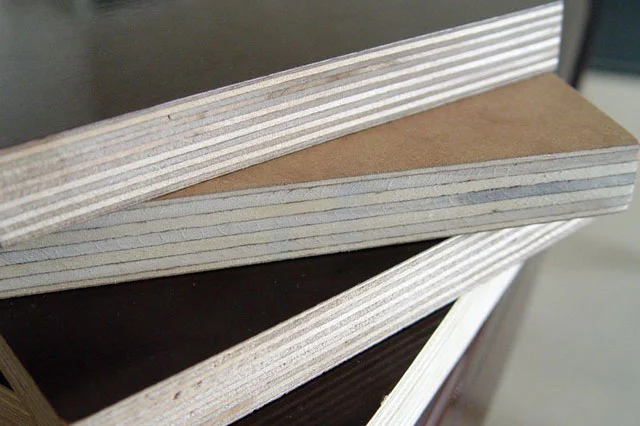
Construction plywood may require different characteristics from furniture plywood. Strength, thickness, surface finish, moisture resistance, and repeated handling can all influence the selection.
Bin Hammad’s Plywood OSF One Side Tego Film is listed for construction applications and described as having a smooth film-faced surface on one side. The product page identifies formwork, scaffolding, and temporary structures among its applications.
This makes film-faced plywood a separate consideration from simply comparing marine and commercial plywood.
Moisture Resistance: The Most Important Difference
Moisture exposure is one of the clearest factors separating general-purpose plywood from plywood intended for more demanding conditions.
Commercial plywood may be appropriate where the sheet remains in a relatively dry indoor environment. Marine plywood, depending on its specification, is designed with greater attention to moisture resistance.
However, moisture resistance is not determined by the product name alone.
Before purchasing, check:
- Adhesive or bonding specification
- Core construction
- Veneer quality
- Sheet thickness
- Intended application
- Manufacturer’s moisture-resistance information
- Edge exposure requirements
- Installation conditions
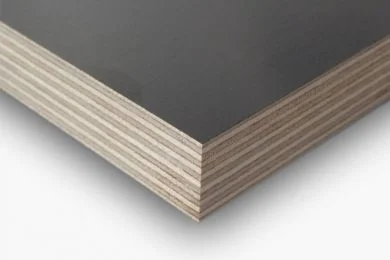
Bin Hammad also lists Plywood WBP Weather Boil Proof. Its product description states that it is designed for moisture exposure and weather conditions and identifies applications including furniture, formwork, and structural elements.
WBP plywood should not simply be relabelled as marine plywood; the correct product classification and specifications should always be verified for the project.
Strength and Durability
Both marine and commercial plywood can provide useful strength, but their suitability depends on the product construction and intended application.
Marine plywood is generally selected when the project requires a plywood specification suitable for demanding moisture conditions. Commercial plywood is more commonly associated with general indoor applications.
Thickness also matters. A thicker sheet is not automatically better for every application. The required thickness should be determined by the project’s structural, furniture, or installation requirements.
For construction projects, buyers should consider:
- Expected load
- Span
- Support arrangement
- Thickness
- Core construction
- Moisture exposure
- Intended service life
- Installation method
Surface Finish and Appearance
Surface appearance becomes particularly important for furniture and interior applications.
Commercial plywood may be selected where the sheet will be laminated, veneered, painted, or otherwise finished. Depending on the product, the surface may be easier to prepare for interior finishing.
Marine plywood is primarily selected according to its construction and environmental suitability rather than appearance alone.
For construction applications where the plywood will contact concrete, film-faced plywood can offer a different set of characteristics. Bin Hammad’s OSF One Side Tego Film product is specifically described with a film-faced surface designed for construction use.
Marine Plywood vs Commercial Plywood by Application
| Application | Generally Consider | Key Factor |
| Indoor furniture | Commercial plywood | Surface, thickness, grade |
| Cabinets | Commercial or suitable moisture-resistant plywood | Indoor conditions and moisture exposure |
| Interior partitions | Commercial plywood | Thickness and finish |
| Humid interiors | Moisture-resistant plywood | Humidity exposure |
| Outdoor construction | Suitable exterior/moisture-resistant plywood | Weather and moisture exposure |
| Marine-related work | Marine plywood where specified | Moisture conditions and product specification |
| Concrete formwork | Film-faced or specified formwork plywood | Surface, strength, moisture exposure |
| Temporary construction structures | Project-specified construction plywood | Strength and handling requirements |
These are general application guidelines. The final selection should be based on the project specification and the exact plywood product.
How to Choose Between Marine and Commercial Plywood
1. Identify the Installation Environment
First determine whether the plywood will be used indoors, outdoors, in a humid area, or in a location with direct or repeated moisture exposure.
A dry indoor cabinet and an outdoor construction component do not have the same material requirements.
2. Determine the Required Moisture Resistance
If moisture is a significant concern, review plywood products specifically intended for the expected conditions.
Do not assume that standard commercial plywood will provide the same moisture performance as a product designed for more demanding exposure.
3. Check the Thickness
Select thickness based on the project’s actual requirements.
Furniture panels, wall applications, construction formwork, and structural uses can require different thicknesses.
4. Review the Core and Bonding
The internal construction of plywood can influence its stability and performance.
Ask for product information covering:
- Veneer layers
- Core construction
- Bonding system
- Grade
- Intended use
5. Consider the Surface
For visible furniture and interior work, surface appearance and finishing requirements should be part of the selection process.
For formwork, a film-faced surface may be more relevant than decorative appearance.
6. Consider the Total Project Requirement
The cheapest sheet may not be the most suitable option if it does not match the environmental conditions or required performance.
Compare the product’s specification with the project’s actual needs before purchasing.
Common Mistakes When Buying Plywood
Choosing Marine Plywood for Every Application
Marine plywood can provide characteristics suited to demanding moisture conditions, but that does not mean it is necessary for every indoor project.
Using a higher-specification product where it is not required can increase material costs without providing a meaningful benefit for the intended application.
Using Commercial Plywood in Wet Conditions
General-purpose commercial plywood should not automatically be used in areas exposed to significant moisture.
If moisture is expected, review moisture-resistant or other appropriate plywood specifications.
Confusing WBP with Marine Plywood
WBP and marine plywood can both relate to moisture-resistant applications, but they should not be treated as identical product categories without checking the specific specifications.
Bin Hammad’s WBP Weather Boil Proof plywood is a separate listed product with its own stated construction applications.
Ignoring the Edges
Even when a plywood sheet has suitable moisture resistance, exposed edges can require appropriate treatment depending on the application.
Selecting Only by Thickness
Thickness alone does not determine whether plywood is suitable. Grade, core construction, bonding, moisture resistance, and intended use also matter.
Plywood Options Available from Bin Hammad
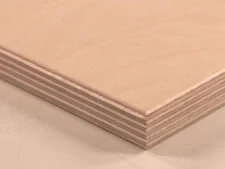
Bin Hammad Trading Enterprises currently lists eight products under its Timbers & Plywoods category. The plywood range includes MR Moisture Resistance, WBP Weather Boil Proof, and OSF One Side Tego Film, alongside timber products such as Bakau Pile, Kapur Tanalised, Mixed Keuring, and Pure Tualang.
MR Moisture Resistance Plywood
The Plywood MR Moisture Resistance product is positioned for construction applications and is described as suitable for humid environments, with uses including frameworks, cabinetry, and concrete formwork.
WBP Weather Boil Proof Plywood
The Plywood WBP Weather Boil Proof product is described for moisture and weather exposure and is listed for applications including furniture, formwork, and structural elements.
OSF One Side Tego Film Plywood
The Plywood OSF One Side Tego Film is described as a construction-oriented plywood with a film-faced surface on one side. The listed applications include formwork, scaffolding, and temporary structures.
Wood Preservative Oil
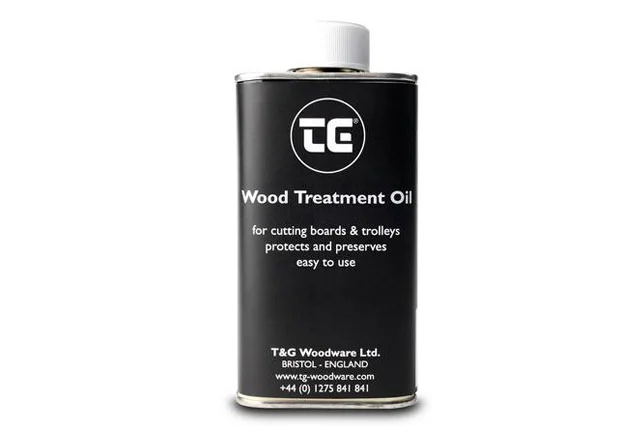
For projects involving wooden structures and fittings, Bin Hammad also lists Wood Preservative Oil. The product is described for construction use and intended to provide protection against moisture, rot, and insect damage on wooden structures and fittings.
Marine Plywood vs Commercial Plywood: Buying Checklist
Before placing a plywood order in the UAE, check the following:
- Application: Where will the plywood be installed?
- Moisture exposure: Will it remain dry or encounter humidity, rain, or water?
- Thickness: What thickness does the project require?
- Grade: Does the plywood grade match the intended use?
- Core construction: Is the internal construction suitable?
- Bonding: Is the adhesive specification appropriate for the environment?
- Surface: Does the sheet require a decorative or film-faced finish?
- Dimensions: Do the available sheet sizes suit the project?
- Quantity: Is sufficient material available for the project?
- Product documentation: Can the supplier provide the relevant specifications?
Why Choose Bin Hammad for Plywood in the UAE?
Bin Hammad Trading Enterprises provides construction materials, timber, plywood, hardware, safety products, and industrial supplies for professional customers in the UAE. Its current Timbers & Plywoods category provides several plywood and timber options for construction and related applications.
For plywood purchasing, having access to different specifications can make it easier to match the material to the project rather than selecting one type for every application.
The company is based in Dubai and serves customers looking for construction and building materials in the UAE.
Conclusion
The difference between marine plywood and commercial plywood mainly comes down to the environment and performance requirements for which the material is selected. Commercial plywood can be suitable for many general indoor applications, while marine plywood is intended for projects where greater moisture resistance is required according to the product specification.
For UAE projects, the selection should be based on actual exposure conditions rather than the product name alone. Consider moisture, thickness, grade, core construction, bonding, surface requirements, and the intended application before placing an order.
Bin Hammad Trading Enterprises offers several plywood options within its Timbers & Plywoods range, including MR Moisture Resistance, WBP Weather Boil Proof, and OSF One Side Tego Film plywood. Reviewing these options against the requirements of the project can help contractors, builders, furniture manufacturers, and other professional buyers select a suitable plywood product.
FAQs:
Marine plywood is intended for applications where greater moisture resistance is required, subject to the product specification. Commercial plywood is generally associated with general-purpose and interior applications where severe moisture exposure is not expected.
Marine plywood is designed for improved performance in moisture-prone conditions, but it should not automatically be treated as permanently waterproof. Always check the specific manufacturer’s specifications and installation requirements.
Commercial plywood can be suitable for many indoor furniture applications. The required grade, thickness, surface quality, and moisture conditions should be considered before selection.
Commercial plywood should not automatically be selected for outdoor exposure. Outdoor applications require a plywood product whose specifications are appropriate for the expected weather and moisture conditions.
No. WBP Weather Boil Proof and marine plywood are related to moisture-resistant plywood applications, but they are not automatically identical categories. The exact specification and intended application should be checked for each product.
A plywood product specifically specified for moisture or humid conditions may be more appropriate than standard general-purpose plywood. Bin Hammad lists MR Moisture Resistance and WBP Weather Boil Proof products for applications where moisture requirements are relevant.
The correct formwork plywood depends on the project’s requirements. Bin Hammad’s product range includes MR Moisture Resistance and OSF One Side Tego Film plywood, with the latter specifically described for formwork and temporary construction structures.
No. Thickness is only one factor. Grade, core construction, bonding, surface quality, moisture resistance, and intended application also need to be considered.
Check the intended application, moisture exposure, thickness, grade, dimensions, core construction, bonding, surface requirements, and the manufacturer’s specifications.
Bin Hammad’s current Timbers & Plywoods category lists MR Moisture Resistance, OSF One Side Tego Film, and WBP Weather Boil Proof plywood, along with several timber products.
