
What is insulation tape used for? Insulation tape is an adhesive tape designed to electrically insulate, protect, seal, bundle, or identify wires, cables, and other components, depending on its material and specifications. PVC electrical tape is widely used for general electrical insulation, while rubber, silicone, foil, and other specialized tapes are selected for specific temperature, moisture, mechanical, or industrial requirements. Bin Hammad Trading Enterprises supplies insulation and industrial products for contractors, electricians, maintenance teams, and businesses across the UAE.
Choosing the right insulation tape is important because not every tape provides the same level of electrical, thermal, moisture, or mechanical protection. The correct choice depends on the application, voltage, temperature, surface, environment, and manufacturer’s specifications.
What Is Insulation Tape?
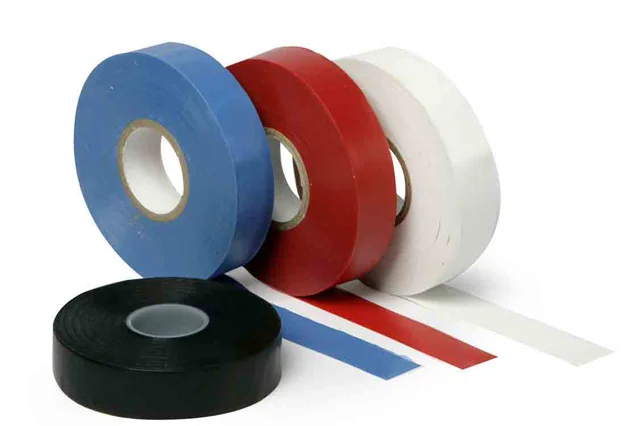
Insulation tape is a pressure-sensitive adhesive tape used to electrically isolate and protect wires, cables, connections, and components. It usually consists of a flexible backing material and an adhesive layer.
PVC is the most common material for electrical insulation tape because it provides flexibility, electrical insulation, and easy application. Manufacturers also use materials such as rubber, silicone, polyester, fiberglass, and aluminium foil for specialized applications.
A suitable insulation tape can help provide:
- Electrical insulation
- Moisture protection
- Abrasion protection
- Cable identification
- Mechanical protection
- Surface sealing
- Heat resistance, depending on the product
- Protection from environmental exposure
The important point is that insulation tape is not a single product category with identical properties. Different tapes are designed for different jobs.
For example, PVC electrical tape may be suitable for general wire insulation, while aluminium foil tape is commonly used for HVAC and duct-related applications. Bin Hammad also covers specialized tape applications through its guide to aluminium foil tape.
What Is Insulation Tape Used For?
Insulation tape has applications across construction, electrical work, manufacturing, maintenance, automotive, HVAC, marine, and industrial environments.
Electrical Wire Insulation
The primary application of electrical insulation tape is protecting and insulating suitable electrical connections and wire surfaces.
It can help prevent unwanted contact between conductive parts and provide an additional insulating layer when used according to the product’s intended application.
However, workers should not use insulation tape as a substitute for proper electrical repairs, cable replacement, connectors, or other required electrical components.
Cable Protection
Insulation tape can provide an additional protective layer around cables against abrasion, moisture, and minor environmental exposure, depending on the tape type.
Electricians and maintenance technicians often use suitable tape when working on cable assemblies, connections, and repairs.
Wire Identification and Colour Coding
Coloured electrical tapes can help identify wires and circuits.
Workers can use different colours to identify or organize wires, but they should always follow the project’s wiring practices and applicable electrical requirements instead of assuming that one colour system applies everywhere.
Industrial Maintenance
Factories, workshops, construction sites, and maintenance teams use different types of insulation tape for electrical and mechanical applications.
The correct product can help maintenance teams protect components, organize cables, seal suitable areas, and complete temporary or task-specific repairs.
HVAC and Duct Applications
Not every HVAC application requires electrical insulation tape. HVAC contractors may use specialized foil, foam, butyl, or other tapes depending on whether they are sealing ducts, joining insulation, controlling vapor, or addressing another requirement.
This distinction is important because electrical insulation tape and HVAC insulation tape are not interchangeable.
Types of Tape
Understanding the different types makes it easier to select the right product.
PVC Insulation Tape
PVC insulation tape is one of the most common electrical tapes.
It is generally flexible and easy to wrap around wires and cables. It is commonly selected for:
- General electrical insulation
- Wire bundling
- Cable identification
- Electrical maintenance
- Construction wiring applications
When buying PVC insulation tape, check its voltage, temperature, thickness, adhesion, flame behavior, and other relevant specifications.
Do not assume that every PVC tape has the same performance.
Rubber Insulation Tape
Rubber insulation tapes work well when applications require flexibility, sealing, and moisture resistance.
Some rubber electrical tapes stretch and self-amalgamate when workers apply them correctly, creating a continuous protective layer.
They can be useful for certain:
- Cable connections
- Electrical splicing
- Moisture sealing
- Industrial applications
- Higher-demand electrical insulation applications
However, product ratings vary, so always check the manufacturer’s technical data.
Self-Fusing Silicone Tape
Self-fusing silicone tape is different from ordinary PVC electrical tape.
When stretched and wrapped correctly, silicone tape can fuse to itself and create a continuous protective layer.
It can be useful in selected applications involving:
- High temperatures
- Moisture
- Emergency maintenance
- Cable protection
- Difficult shapes and surfaces
Its actual temperature and electrical performance depend on the specific product.
Fiberglass Tape
Fiberglass or glass-cloth tape is designed for applications where greater heat resistance and mechanical strength are required.
It can be found in applications involving:
- Motors
- Electrical equipment
- High-temperature environments
- Coil insulation
- Industrial maintenance
Because fiberglass tape behaves differently from flexible PVC tape, users should select it for specific applications instead of using it as a general replacement.
Polyester Tape
Manufacturers use polyester-based electrical tapes for electrical and industrial applications that require dimensional stability and reliable insulation performance.
They can be used in areas such as:
- Electrical components
- Motors
- Transformers
- Coil applications
- Component insulation
The correct specification depends on the equipment and operating conditions.
Polyimide Tape
Polyimide tape is a specialized high-temperature electrical and electronic tape.
It is generally used for applications requiring thermal stability and electrical insulation, including certain:
- Electronics
- Electrical components
- Motors
- Transformers
- High-temperature applications
It is a more specialized option and should be selected based on technical requirements.
Aluminium Foil Tape
Aluminium foil tape is mainly used for applications such as HVAC, duct sealing, insulation systems, and thermal or vapor-related applications.
It can provide properties that ordinary PVC electrical tape does not provide.
For example, it can be suitable for:
- HVAC ducts
- Insulation joints
- Reflective insulation
- Ductwork
- Moisture and vapor barrier applications
Bin Hammad provides additional information about the uses and advantages of aluminium foil tape.
Insulation Tape Comparison
| Type | Common Application | Main Advantage |
| PVC | General electrical work | Flexible and versatile |
| Rubber | Electrical sealing | Conformability and moisture resistance |
| Silicone | Specialized/high-temperature applications | Self-fusing protection |
| Fiberglass | High-temperature applications | Heat and mechanical resistance |
| Polyester | Electrical components | Stable insulation properties |
| Polyimide | Electronics/high-temperature work | Thermal stability |
| Aluminium Foil | HVAC and ducting | Reflective and sealing properties |
The exact performance of each tape depends on the product specification. Always check the manufacturer’s technical documentation before selecting tape for critical applications.
What Are the Benefits of Insulation Tape?
Electrical Protection
Suitable electrical insulation tape creates a non-conductive barrier around appropriate electrical applications and can help reduce the possibility of unwanted conductor contact.
Moisture Protection
Certain rubber, mastic, silicone, and other specialized tapes can provide moisture-resistant sealing.
However, ordinary electrical tape should not automatically be described as completely waterproof.
Flexibility
Flexible tapes can conform around wires, cables, corners, and irregular surfaces.
This makes them convenient for electrical installation and maintenance work.
Abrasion Protection
A suitable tape can add a protective layer against minor rubbing and mechanical exposure.
Easy Application
Most insulation tapes can be applied without complicated equipment, making them convenient for electricians and maintenance professionals.
Cable Identification
Different colours can help workers organize and identify cables when used according to the site’s identification system.
Cost-Effective Maintenance
Insulation tape costs less than many specialized insulation and protection materials, making it a practical choice for routine maintenance and suitable repair applications.
How to Choose the Right Insulation Tape
Selecting insulation tape should start with the application rather than price.
1. Identify the Application
First ask what you need the tape to do.
Is it for:
- Electrical insulation?
- Cable protection?
- HVAC ducting?
- High-temperature work?
- Moisture sealing?
- Mechanical reinforcement?
- Outdoor exposure?
The answer determines the appropriate tape category.
2. Check the Voltage Rating
For electrical applications, never assume that all insulation tapes are suitable for every voltage.
Check the manufacturer’s voltage rating and ensure it is appropriate for the specific application.
3. Check Temperature Resistance
Temperature can significantly affect adhesive and backing performance.
Construction and industrial applications may expose tape to high temperatures, machinery heat, sunlight, or thermal cycling.
Always check the specified operating temperature rather than relying on a generic claim such as “heat resistant.”
4. Consider Dielectric Strength
Dielectric strength indicates how well an insulating material withstands electrical stress before breakdown.
For electrical applications, it is an important technical specification to review alongside voltage rating and other product information.
5. Check Adhesion
Good adhesion helps the tape remain attached to the intended surface.
Consider:
- Surface type
- Cleanliness
- Moisture
- Temperature
- Application conditions
- Duration of use
6. Consider Thickness
Tape thickness affects insulation build-up, physical protection, and the number of layers needed for certain applications.
7. Consider Flexibility and Elongation
Flexible tape is useful when wrapping irregular shapes or cables.
However, stretching a tape beyond its intended application can reduce its thickness and potentially affect performance.
How to Apply Insulation Tape Correctly
Correct application is just as important as choosing a suitable product.
Step 1: Isolate Electrical Power
For electrical work, follow appropriate electrical isolation and safety procedures before handling conductors.
Step 2: Inspect the Surface
Check for damage, contamination, moisture, sharp edges, or other conditions that could affect the application.
Step 3: Clean and Dry the Surface
Dust, oil, grease, and moisture can reduce adhesion.
Step 4: Select the Correct Tape
Choose the tape according to voltage, temperature, environment, material, and application.
Step 5: Wrap Evenly
Apply the tape smoothly and consistently. Avoid wrinkles, gaps, and unnecessary stretching.
Step 6: Create Appropriate Overlap
Follow the manufacturer’s application instructions for overlap and tension, particularly when using specialized electrical or self-fusing tapes.
Step 7: Inspect the Finished Application
Check that the tape fully covers the intended area and bonds securely to the surface.
For electrical work, never use tape to hide unsafe wiring conditions or replace a required permanent repair.
Is Insulation Tape Waterproof and Heat Resistant?
Some insulation tapes provide moisture and heat resistance, but there is no single waterproof or temperature rating that applies to every insulation tape.
Performance depends on:
- Backing material
- Adhesive
- Thickness
- Product construction
- Temperature
- Moisture exposure
- UV exposure
- Application method
For example, a PVC electrical tape, rubber tape, silicone tape, and aluminium foil tape can have very different properties.
Therefore, always check the manufacturer’s technical specifications before using tape in wet, outdoor, high-temperature, or critical environments.
Insulation Tape for UAE Conditions
UAE projects can expose materials to challenging environmental conditions.
High Temperatures
Outdoor equipment, rooftops, vehicles, and industrial areas can experience substantial heat. Tape selected for these environments should have a suitable temperature rating.
Humidity and Moisture
Coastal and humid environments can increase moisture exposure. Where moisture sealing is required, select a tape specifically designed for that purpose.
UV Exposure
Outdoor installations may experience prolonged sunlight. UV resistance can become an important specification for external applications.
Dust and Sand
Construction and industrial sites can expose adhesive surfaces to dust and sand. Proper surface preparation is therefore essential.
HVAC Applications
HVAC systems are particularly important in the UAE, and tape selection should depend on whether the task involves electrical wiring, duct sealing, pipe insulation, vapor control, or another application.
Recent UAE-focused industry guidance also emphasizes selecting tape according to heat, humidity, UV exposure, and the specific HVAC application.
Insulation Tape Standards and Specifications
For electrical insulation applications, recognized standards can help define product requirements.
IEC 60454-1 specifies general requirements for pressure-sensitive adhesive tapes intended for electrical purposes. The standard includes requirements relating to tape construction, classification, dimensions, storage life, and other characteristics.
Depending on the product and project, buyers may also encounter other recognized standards or certifications.
However, do not assume that every insulation tape must carry every standard.
Before purchasing, check:
- Applicable standard
- Voltage rating
- Temperature rating
- Dielectric strength
- Adhesion
- Thickness
- Flame performance
- Manufacturer’s technical documentation
For demanding electrical installations, product selection should be based on the project specification and qualified electrical guidance.
Common Insulation Tape Mistakes to Avoid
Choosing Only by Price
Cheap tape may not provide the required performance.
Using the Wrong Type
PVC electrical tape should not automatically replace HVAC, silicone, rubber, mastic, or foil tape.
Ignoring Temperature
A tape suitable indoors may not be suitable near heat-producing equipment or outdoors.
Applying Tape to Dirty Surfaces
Dust, oil, and moisture can weaken adhesion.
Overstretching the Tape
Excessive stretching can reduce thickness and affect performance.
Assuming Every Tape Is Waterproof
Water resistance varies by product.
Ignoring UV Exposure
Outdoor applications may require UV-resistant materials.
Using Tape as a Permanent Electrical Repair
Tape should not be used to hide damaged cables or replace proper electrical repairs when those repairs are required.
Insulation Tape vs Other Tapes
Insulation Tape vs Masking Tape
Masking tape is primarily designed for temporary surface protection, painting, marking, and related applications. It is not a substitute for electrical insulation tape.
For construction and finishing applications, Bin Hammad also provides information about masking tape solutions.
Insulation Tape vs Duct Tape
Duct tape is generally designed for general-purpose bonding, bundling, or repairs. It should not automatically be used as electrical insulation.
Insulation Tape vs Aluminium Foil Tape
Aluminium foil tape is commonly selected for HVAC, ducting, insulation, and reflective applications. Electrical PVC tape serves a different primary purpose.
Insulation Tape vs Foam Tape
Foam tape is commonly used for mounting, bonding, cushioning, sealing, and reducing vibration. However, you should not use it as a replacement for electrical insulation tape.
Insulation Tape vs Heat Shrink Tubing
Heat shrink tubing creates a different type of protective covering and may be preferred for certain cable and electrical applications. Selection depends on the installation requirements.
Why Choose Bin Hammad Trading Enterprises?
Bin Hammad Trading Enterprises supplies construction, electrical, industrial, safety, hardware, and maintenance products for businesses and professionals across the UAE.
For contractors and procurement teams, having access to multiple product categories can make project sourcing more convenient.
Bin Hammad supports requirements across areas such as:
- Electrical materials
- Construction materials
- Adhesive tapes
- Power tools
- Hand tools
- Safety products
- Industrial consumables
- Hardware
- Maintenance supplies
You can also explore Bin Hammad’s broader guide to electric materials in the UAE for additional information about electrical installation products.
The company focuses on serving professional customers who require practical construction and industrial supply solutions.
When choosing insulation tape, Bin Hammad can help customers identify products according to their application, project requirements, and intended use.
Conclusion
Insulation tape is a small but important product used across electrical, construction, industrial, maintenance, HVAC, and other applications. However, choosing the correct tape requires more than simply selecting a roll based on colour or price.
PVC tape may be suitable for many general electrical applications, while rubber, silicone, fiberglass, polyester, polyimide, and aluminium foil tapes serve different purposes.
Before purchasing, consider the application, voltage, temperature, dielectric strength, adhesion, thickness, flexibility, moisture exposure, UV exposure, and applicable standards.
For UAE projects, environmental conditions such as heat, humidity, dust, and outdoor exposure can also influence tape selection.
Bin Hammad Trading Enterprises provides a broad range of construction, electrical, industrial, and maintenance products to support professional requirements across the UAE.
FAQs
Q1. What is insulation tape used for?
Ans. Insulation tape is primarily used to electrically insulate and protect suitable wires, cables, and electrical connections. Depending on the type, it can also provide moisture, abrasion, heat, or environmental protection.
Q2. Which insulation tape is best for electrical wires?
Ans. PVC electrical tape is commonly used for general electrical wiring, but the correct product depends on the voltage, temperature, environment, and manufacturer’s specifications.
Q3. Is insulation tape waterproof?
Ans. Some insulation tapes provide strong moisture or water resistance, but not every tape is waterproof. Always check the specific product’s technical specifications.
Q4. Can insulation tape withstand heat?
Ans. Some insulation tapes are designed for elevated temperatures, while others are intended for general applications. Always check the manufacturer’s specified temperature range.
Q5. What is the difference between PVC and rubber insulation tape?
Ans. PVC tape is commonly used for general electrical insulation, while rubber tapes can provide greater conformability and sealing characteristics in certain electrical applications.
Q6. Can insulation tape prevent short circuits?
Ans. Suitable electrical insulation tape can help prevent conductive surfaces from making unwanted contact when correctly applied, but it should not be considered a substitute for proper electrical installation and repair.
Q7. How should insulation tape be applied?
Ans. The surface should be clean and dry, and the tape should be applied smoothly with suitable overlap and tension according to the manufacturer’s instructions.
Q8. Can insulation tape be used outdoors?
Ans. Some products are designed for outdoor environments, but outdoor use requires consideration of UV exposure, temperature, moisture, and other environmental factors.
Q9. What standards apply to electrical insulation tape?
Ans. IEC 60454-1 is one recognized standard covering pressure-sensitive adhesive tapes for electrical purposes. The applicable standard depends on the tape and intended application.
Q10. Where can I buy insulation tape in the UAE?
Ans. Businesses and contractors can source insulation and other industrial products from Bin Hammad Trading Enterprises, a UAE supplier serving construction, electrical, industrial, and maintenance requirements.
